

The Journalist's Choice
Gazetecinin Kararı
Genç bir gazeteci olan Mert, kariyerini bir anda zirveye taşıyabilecek bir habere ulaşır: saygın bir belediye başkanının yıllar önce yaptığı bir hata. Ancak araştırdıkça, bu hatanın arkasındaki insani hikâyeyi ve haberin masum insanlara vereceği zararı görür. Mert, hırsı ile vicdanı arasında zor bir karar vermek zorunda kalır.
Altı noktalı kelimelere dokun, anlamı çıksın.
Mert was a young and journalist in Ankara. He had been working for a large newspaper for three years, but he was still waiting for the story that would make his name. He dreamed of writing something important — an so powerful that everyone would read it, something that would finally prove his talent to his editors and to himself. He was hungry for success, perhaps a little too hungry.
Mert Ankara'da genç ve hırslı bir gazeteciydi. Üç yıldır büyük bir gazetede çalışıyordu ama hâlâ adını duyuracak haberi bekliyordu. Önemli bir şey yazmayı hayal ediyordu — herkesin okuyacağı kadar güçlü bir araştırma, yeteneğini sonunda editörlerine ve kendine kanıtlayacak bir şey. Başarıya açtı, belki biraz fazla açtı.
Then, one day, the opportunity arrived. Through a source, Mert obtained information about Selahattin Bey, a respected and popular local mayor. According to the documents, many years earlier, before he had entered politics, the mayor had made a serious financial mistake that had hurt a small company. The story had never been made public. If Mert published it, it would be a , and his career would be transformed overnight.
Sonra, bir gün, fırsat geldi. Gizli bir kaynak aracılığıyla Mert, saygın ve popüler bir yerel belediye başkanı olan Selahattin Bey hakkında bilgi edindi. Belgelere göre, yıllar önce, siyasete girmeden önce, belediye başkanı küçük bir şirkete zarar veren ciddi bir mali hata yapmıştı. Haber hiç kamuoyuna duyurulmamıştı. Mert bunu yayınlarsa, büyük bir olay olurdu ve kariyeri bir gecede değişirdi.
At first, Mert was thrilled. He stayed up all night, reading the documents again and again, imagining the headline and the reaction it would cause. This was exactly the kind of story he had been waiting for. If he broke this news, he would become famous, and other newspapers would be forced to follow his lead. He already pictured himself being congratulated by his editor and interviewed on television.
İlk başta Mert çok heyecanlıydı. Bütün gece ayakta kaldı, belgeleri tekrar tekrar okudu, manşeti ve yaratacağı tepkiyi hayal etti. Bu tam da beklediği türden bir haberdi. Bu haberi patlatırsa ünlü olurdu ve diğer gazeteler onu takip etmek zorunda kalırdı. Kendini çoktan editörü tarafından tebrik edilirken ve televizyonda röportaj yapılırken hayal ediyordu.
But as Mert investigated further, the story became more complicated. He decided to speak to some of the people who had been involved at the time. He discovered that the mayor had made the mistake during a desperate period, when his own child had been seriously ill and he had needed money for treatment. More importantly, in the years since, the mayor had quietly repaid everyone he had harmed, and had devoted his life to helping others.
Ama Mert daha fazla araştırdıkça, hikaye daha karmaşık hâle geldi. O zaman olaya karışan bazı insanlarla konuşmaya karar verdi. Belediye başkanının hatayı umutsuz bir dönemde, kendi çocuğu ciddi şekilde hastayken ve tedavi için paraya ihtiyacı varken yaptığını keşfetti. Daha da önemlisi, o günden beri geçen yıllarda, belediye başkanı zarar verdiği herkese sessizce geri ödeme yapmış ve hayatını başkalarına yardım etmeye adamıştı.
Mert visited the owner of the small company that had originally been harmed. He expected to find an angry man, eager to the mayor. Instead, the old man spoke of Selahattin Bey with warmth and respect. "Yes, he made a mistake when he was young and desperate," the man said. "But he came back, he apologised, and he paid back every lira. He is a good man now. If you publish this, you will destroy him for a sin he has already corrected."
Mert, başlangıçta zarar görmüş küçük şirketin sahibini ziyaret etti. Belediye başkanını ifşa etmeye hevesli, öfkeli bir adam bulmayı bekliyordu. Bunun yerine yaşlı adam Selahattin Bey'den sıcaklık ve saygıyla söz etti. "Evet, genç ve çaresizken bir hata yaptı," dedi adam. "Ama geri döndü, özür diledi ve her lirayı geri ödedi. Artık iyi bir adam. Bunu yayınlarsan, çoktan düzelttiği bir günah için onu mahvedeceksin."
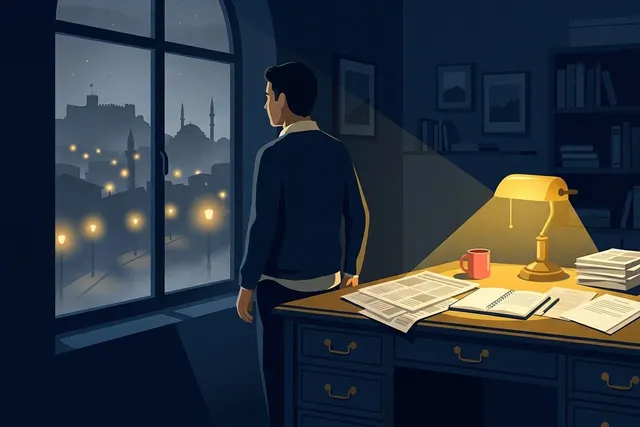
That night, Mert could not sleep. The easy excitement he had felt at the beginning was gone, replaced by a difficult question. If he published the story, he would get everything he had ever wanted. But he would also ruin the of a good man, hurt the mayor's family, and punish someone for a mistake he had already made right. Was that what a journalist was supposed to do? Was that the kind of person he wanted to be?
O gece Mert uyuyamadı. Başlangıçta hissettiği kolay heyecan gitmişti, yerini zor bir soru almıştı. Haberi yayınlarsa, her zaman istediği her şeyi elde ederdi. Ama aynı zamanda iyi bir adamın itibarını mahveder, belediye başkanının ailesini incitir ve çoktan düzelttiği bir hata için birini cezalandırırdı. Bir gazetecinin yapması gereken bu muydu? Olmak istediği türden bir insan bu muydu?
He thought about the purpose of journalism. He had become a journalist because he believed in the truth and in holding powerful people . But this was different. Selahattin Bey was not hiding a current crime; he was a man who had already paid for an old one and had changed completely. Mert realised that if he published the story only to his own career, he would be using the truth as a weapon, not as a service to the public.
Gazeteciliğin amacını düşündü. Gerçeğe ve güçlü insanları hesap vermeye çağırmaya inandığı için gazeteci olmuştu. Ama bu farklıydı. Selahattin Bey güncel bir suçu saklamıyordu; eski bir suçun bedelini çoktan ödemiş ve tamamen değişmiş bir adamdı. Mert, haberi sadece kendi kariyerini ilerletmek için yayınlarsa, gerçeği kamuya hizmet olarak değil, bir silah olarak kullanmış olacağını fark etti.
In the morning, Mert made his decision. He went to his editor's office and explained everything. The editor, who cared mostly about sales, was furious. "Do you understand what you are throwing away?" he shouted. "If you had brought me this story and let me publish it, you would have been the most talked-about journalist in the country!" But Mert stood firm. He said that some stories do more harm than good, and that he would not destroy an innocent family for a headline.
Sabah Mert kararını verdi. Editörünün ofisine gitti ve her şeyi açıkladı. Çoğunlukla satışları önemseyen editör çok öfkelendi. "Ne harcadığının farkında mısın?" diye bağırdı. "Bu haberi bana getirip yayınlamama izin verseydin, ülkedeki en çok konuşulan gazeteci olurdun!" Ama Mert kararlı durdu. Bazı haberlerin iyiden çok zarar verdiğini ve bir manşet için masum bir aileyi mahvetmeyeceğini söyledi.
Mert did not become famous that year. He watched as other journalists broke sensational stories and won awards, and sometimes he wondered whether he had been foolish. There were moments when he thought that, if he had published the story, his life would be very different now. But whenever he had those doubts, he remembered the face of the old company owner, and the in Selahattin Bey's eyes when he later learned that his secret would remain buried.
Mert o yıl ünlü olmadı. Diğer gazetecilerin sansasyonel haberler patlatmasını ve ödüller kazanmasını izledi ve bazen aptallık edip etmediğini merak etti. Haberi yayınlamış olsaydı, hayatının şimdi çok farklı olacağını düşündüğü anlar oldu. Ama ne zaman bu şüpheleri yaşasa, yaşlı şirket sahibinin yüzünü ve Selahattin Bey'in sırrının gömülü kalacağını sonradan öğrendiğinde gözlerindeki rahatlamayı hatırladı.
Years later, Mert became a respected senior journalist, known not for sensational scandals but for his fairness and his . Young reporters often came to him for advice. "The most important stories you will ever write," he told them, "are sometimes the ones you choose not to write. Never forget that behind every headline there are real human beings, and the truth must serve them, not destroy them."
Yıllar sonra Mert, sansasyonel skandallarla değil, adaleti ve dürüstlüğüyle tanınan saygın bir kıdemli gazeteci oldu. Genç muhabirler sık sık ona tavsiye için gelirdi. "Yazacağın en önemli haberler," derdi onlara, "bazen yazmamayı seçtiğin haberlerdir. Her manşetin arkasında gerçek insanlar olduğunu asla unutma; ve gerçek onlara hizmet etmeli, onları mahvetmemeli."

Kelimeler
Hikayedeki 11 yeni kelime, hikayeden örnek cümleleriyle.
Mert was a young and ambitious journalist.
...an investigation so powerful that everyone would read it.
Through a confidential source...
...it would be a sensation.
...eager to expose the mayor.
...ruin the reputation of a good man.
...holding powerful people accountable.
...to advance his own career.
...known for his fairness and his integrity.
(başlıkta: gazetecinin vicdanı)
...the relief in Selahattin Bey's eyes.
Gramer notu
Second ve third conditional
Bu hikayede second conditional ve third conditional birlikte öne çıkıyor. Fark, zamanıdır.
- Second conditional (şimdi/gelecek, hayali): If he published the story, it would be a sensation. (Haberi yayınlasa, büyük olay olur.)
- Third conditional (geçmiş, olmamış): If you had brought me this story, you would have been the most talked-about journalist. (Bu haberi getirseydin, en çok konuşulan gazeteci olurdun.)
- Mixed örnek: if he had published the story, his life would be different now (geçmiş koşul → şimdiki sonuç).
Ne kadar anladın?
6 kısa soru. Cevabını seç, hemen doğrusunu gör.