

Back to the Village
Köye Dönüş
İstanbul'daki hayatından bıkıp Yozgat'a dönen Gülay, memleketinde bir pansiyon açmayı hayal eder. Gerçek ise nemli bir ev, meraklı komşular ve annesiyle zor bir birlikte yaşamdır. Planı olduğu gibi gerçekleşmez ama hayat ona farklı bir yol gösterir.
Altı noktalı kelimelere dokun, anlamı çıksın.
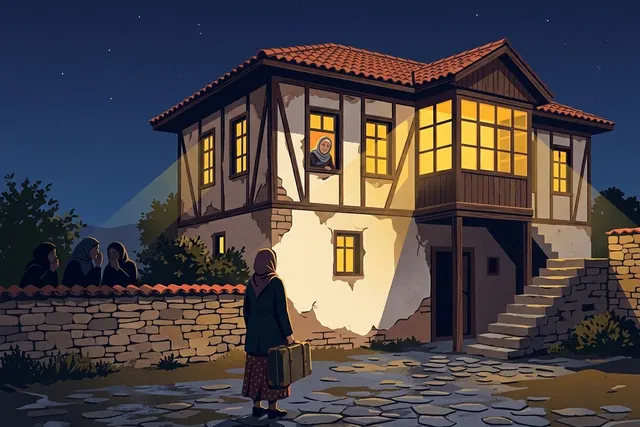
When Gülay left Istanbul in the spring of her thirty-eighth year, she was sure that she was about to start a better life. After fourteen years in the same accounting firm, she had come to hate the noise, the traffic, and the way weekends disappeared before they began. She was going to return to her hometown in Yozgat, where her mother still lived, and she would open a small in the old family house.
Gülay otuz sekizinci yaşının baharında İstanbul'dan ayrıldığında daha iyi bir hayata başlamak üzere olduğundan emindi. Aynı muhasebe şirketinde on dört yıl geçirdikten sonra gürültüden, trafikten ve hafta sonlarının başlamadan bitmesinden nefret etmeye başlamıştı. Annesinin hâlâ yaşadığı memleketi Yozgat'a dönecek ve eski aile evinde küçük bir pansiyon açacaktı.
In her imagination, everything was already arranged. She would wake up to birdsong, drink tea in the garden, and meet old friends every evening. Visitors would come in summer, by the quiet and the mountains, and she would cook breakfast for them with vegetables from her mother's garden. She even had a name for the guesthouse: "Sessiz Ev", the Silent House.
Hayal gücünde her şey çoktan ayarlanmıştı. Kuş sesiyle uyanacak, bahçede çay içecek ve her akşam eski arkadaşlarıyla buluşacaktı. Yazın ziyaretçiler sessizliğe ve dağlara çekilerek gelecek, o da onlara annesinin bahçesinden sebzelerle kahvaltı hazırlayacaktı. Pansiyon için bir isim bile bulmuştu: "Sessiz Ev."
Reality began in the first week. The house, which Gülay had remembered as , turned out to be damp and badly in need of . The roof needed to be before winter, and the builder she hired said that he would start "next week", a phrase which, she soon learned, could mean anything. Her savings, which were supposed to last two years, began to disappear.
Gerçek ilk haftada başladı. Gülay'ın geniş diye hatırladığı ev nemli ve acilen tamire muhtaç çıktı. Çatının kıştan önce değiştirilmesi gerekiyordu ve tuttuğu usta "haftaya" başlayacağını söyledi; bu, kısa sürede öğrendiği gibi her şey anlamına gelebilecek bir ifadeydi. İki yıl yetmesi gereken birikimi erimeye başladı.
The social life she had imagined did not exist either. Most of her school friends had moved to bigger cities, and those who stayed were busy with children and fields. When she met neighbours in the street, they asked her the same three questions: why she had come back, whether she was married, and when she was going to find a husband. Gülay, who had expected peace, found instead.
Hayal ettiği sosyal hayat da yoktu. Okul arkadaşlarının çoğu büyük şehirlere taşınmıştı ve kalanlar çocuklar ve tarlalarla meşguldü. Sokakta komşularla karşılaştığında ona aynı üç soruyu sordular: neden geri döndüğünü, evli olup olmadığını ve ne zaman bir koca bulacağını. Huzur beklemiş olan Gülay, bunun yerine merak buldu.
Her mother, Nuriye, was both delighted and . She was happy to have her daughter at home, but she kept saying that Gülay would soon get bored and leave again, the way her older sister had. Every evening they argued about small things, the volume of the television, the way Gülay folded towels, and every evening they apologised without actually saying sorry.
Annesi Nuriye hem sevinçli hem tedirgindi. Kızının evde olmasından mutluydu ama Gülay'ın yakında sıkılıp ablası gibi yeniden gideceğini söyleyip duruyordu. Her akşam küçük şeyler yüzünden, televizyonun sesi, Gülay'ın havluları katlama biçimi, tartıştılar ve her akşam gerçekten "özür dilerim" demeden özür dilediler.
By October, Gülay had begun to doubt the whole idea. She was about to call her old boss and ask for her job back when a tourist couple, lost on a mountain road, knocked at her door looking for water. They were Dutch, in their sixties, and they stayed for two hours, drinking tea and asking about the village. Before leaving, the woman said that they would have loved to stay overnight, if only there had been a room.
Ekim'e gelindiğinde Gülay tüm fikirden şüphe etmeye başlamıştı. Eski patronunu arayıp işini geri istemek üzereyken dağ yolunda kaybolan bir turist çift su istemek için kapısını çaldı. Hollandalıydılar, altmışlı yaşlardaydılar ve iki saat kalıp çay içerek köyü sordular. Giderken kadın, bir oda olsaydı geceyi burada geçirmeyi çok isteyeceklerini söyledi.
That sentence stayed with Gülay for weeks. She stopped dreaming of a perfect guesthouse and started with one room. She painted it herself, bought a bed second-hand, and put a handwritten notice at the . The first guest arrived in December: a university student who needed a quiet place to write his . He paid half of what she had planned to charge, and she did not mind.
Bu cümle haftalarca Gülay'ın aklında kaldı. Mükemmel bir pansiyon hayal etmeyi bıraktı ve tek bir odayla başladı. Odayı kendisi boyadı, ikinci el bir yatak aldı ve kavşağa el yazısıyla bir ilan astı. İlk misafir aralıkta geldi: tezini yazmak için sessiz bir yere ihtiyacı olan bir üniversite öğrencisi. Planladığının yarısını ödedi ve Gülay bunu umursamadı.
Slowly, the project took a different shape from the one she had pictured. There was no summer , no rows of visitors. There were two or three guests a month, a few of them strange, most of them kind. Her mother began to cook for them without being asked, and in the evenings the two women sat in the kitchen, still arguing about towels, but now with the sound of a stranger's laughter somewhere in the house.
Proje yavaş yavaş hayal ettiğinden farklı bir şekil aldı. Yaz akını yoktu, sıra sıra minnettar ziyaretçiler de yoktu. Ayda iki üç misafir geliyordu; birkaçı tuhaf, çoğu iyi. Annesi istenmeden onlara yemek yapmaya başladı ve akşamları iki kadın mutfakta oturdu, hâlâ havlular yüzünden tartışarak, ama artık evin bir yerinde bir yabancının kahkahasının sesiyle.
It was not the life Gülay had planned. The village was still too quiet for her in winter, and sometimes, on grey afternoons, she missed the noise of Istanbul almost physically. But she no longer thought of herself as someone who had failed to reach a dream. She was simply someone who was building a different one, one room at a time.
Bu, Gülay'ın planladığı hayat değildi. Köy kışın hâlâ ona fazla sessiz geliyordu ve bazen gri öğleden sonralarda İstanbul'un gürültüsünü neredeyse fiziksel olarak özlüyordu. Ama artık kendini bir hayale ulaşmayı başaramamış biri olarak görmüyordu. O, sadece farklı bir hayat inşa eden biriydi, her seferinde bir oda.

Kelimeler
Hikayedeki 11 yeni kelime, hikayeden örnek cümleleriyle.
...she would open a small guesthouse in the old family house.
The house, which Gülay had remembered as spacious...
...damp and badly in need of repair.
The roof needed to be replaced before winter...
...attracted by the quiet and the mountains...
Gülay, who had expected peace, found curiosity instead.
Her mother, Nuriye, was both delighted and uneasy.
...put a handwritten notice at the junction.
...a quiet place to write his thesis.
...no rows of grateful visitors.
There was no summer rush...
Gramer notu
Future in the past
Bu hikayede future in the past (geçmişten bakılan gelecek) öne çıkıyor.
- Was/were going to ve would, geçmişte planlanan ya da beklenen geleceği anlatır: She was going to return to her hometown in Yozgat, and she would open a small guesthouse in the old family house. / the builder she hired said that he would start "next week".
- Was/were about to, tam o anda olmak üzere olan eylemi anlatır: she was sure that she was about to start a better life. / She was about to call her old boss and ask for her job back when a tourist couple knocked at her door.
- Was/were supposed to, planlanan ama gerçekleşmeyen ya da gerçekleşmeyebilecek durumları anlatır: Her savings, which were supposed to last two years, began to disappear.
- Dolaylı sorularda gelecek geçmişe kayar: ...when she was going to find a husband.
Ne kadar anladın?
6 kısa soru. Cevabını seç, hemen doğrusunu gör.