

The Critic's Visit
Eleştirmenin Ziyareti
Gaziantep'te küçük, sade bir lokanta işleten Usta Niyazi, ünlü ve sert bir yemek eleştirmeninin şehre geleceğini duyar. Herkes eleştirmeni etkilemek için menüsünü değiştirmesini söyler. Ama Niyazi, annesinden öğrendiği sade, geleneksel yemekleri sunmaya karar verir. Eleştirmenin beklenmedik tepkisi, gerçek lezzetin gösterişte değil, dürüstlükte olduğunu gösterir.
Altı noktalı kelimelere dokun, anlamı çıksın.
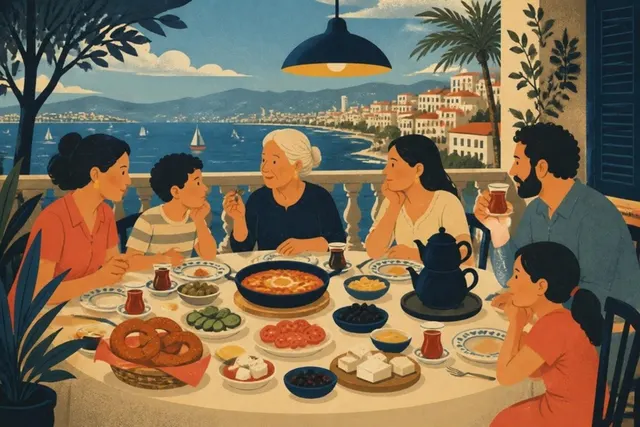
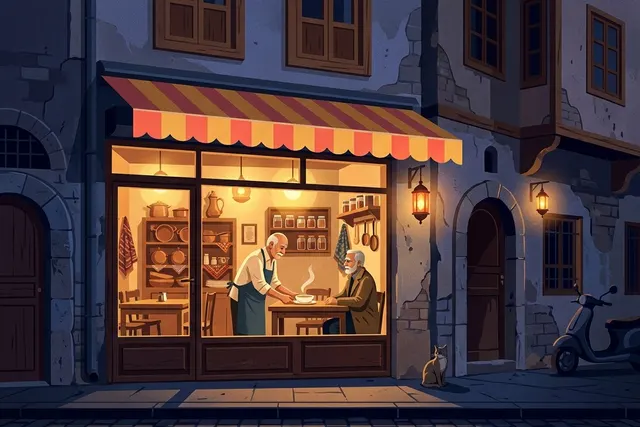
Usta Niyazi had run a small restaurant in Gaziantep for thirty years. It was not a place. There were only ten tables, simple wooden chairs, and plain white walls. But the food was wonderful. Niyazi cooked dishes — the same recipes his mother and grandmother had taught him. People did not come for decoration. They came for honest, delicious, home-style food.
Usta Niyazi otuz yıldır Gaziantep'te küçük bir lokanta işletiyordu. Şık bir yer değildi. Sadece on masa, basit ahşap sandalyeler ve sade beyaz duvarlar vardı. Ama yemek harikaydı. Niyazi geleneksel yemekler pişiriyordu — annesinin ve büyükannesinin ona öğrettiği aynı tarifler. İnsanlar dekor için gelmiyordu. Dürüst, lezzetli, ev usulü yemek için geliyorlardı.
One day, Niyazi heard some big news. A famous was coming to Gaziantep. This critic was known all over the country. He wrote for a major newspaper, and his opinion could make a restaurant famous — or destroy it. He was known for being very and hard to please. And he was going to visit several restaurants in the city, including, perhaps, Niyazi's.
Bir gün Niyazi büyük bir haber duydu. Ünlü bir yemek eleştirmeni Gaziantep'e geliyordu. Bu eleştirmen bütün ülkede tanınıyordu. Büyük bir gazeteye eleştiriler yazıyordu ve onun fikri bir lokantayı ünlü yapabilir — ya da mahvedebilirdi. Çok sert ve memnun edilmesi zor biri olmasıyla tanınıyordu. Ve şehirdeki birkaç lokantayı ziyaret edecekti, belki Niyazi'ninki de dahil.
Everybody gave Niyazi advice. "You must change your menu," his friends said. "This critic eats at the best restaurants in the world. Your simple food is not good enough for him. You should cook something modern and impressive. Decorate your plates beautifully. Use expensive . If you do not him, he will write a bad review, and you will lose everything."
Herkes Niyazi'ye tavsiye verdi. "Menünü değiştirmelisin," dediler arkadaşları. "Bu eleştirmen dünyanın en iyi lokantalarında yemek yiyor. Senin sade yemeğin ona göre yeterince iyi değil. Modern ve etkileyici bir şey pişirmelisin. Tabaklarını güzelce süsle. Pahalı malzemeler kullan. Onu etkilemezsen, kötü bir eleştiri yazar ve her şeyini kaybedersin."
Niyazi thought about this carefully. He was worried. He did not want to lose his restaurant. But something did not feel right. "If I change everything," he thought, "then I am not being honest. This food is who I am. These are my mother's recipes. For thirty years, my customers have loved them. Should I throw all of that away just to impress one man?" He made a brave decision.
Niyazi bunu dikkatlice düşündü. Endişeliydi. Lokantasını kaybetmek istemiyordu. Ama bir şey doğru gelmiyordu. "Her şeyi değiştirirsem," diye düşündü, "o zaman dürüst olmuyorum. Bu yemek benim kim olduğum. Bunlar annemin tarifleri. Otuz yıldır müşterilerim onları seviyor. Sadece bir adamı etkilemek için bütün bunları atmalı mıyım?" Cesur bir karar verdi.
"No," Niyazi said to his friends. "I will not change anything. I will cook the same food I have always cooked. If the critic does not like it, then so be it. I would rather be honest and lose, than be and win. My food comes from my heart and my family. I will not to be something I am not." His friends thought he was making a big mistake.
"Hayır," dedi Niyazi arkadaşlarına. "Hiçbir şeyi değiştirmeyeceğim. Her zaman pişirdiğim aynı yemeği pişireceğim. Eleştirmen beğenmezse, varsın beğenmesin. Sahte olup kazanmaktansa, dürüst olup kaybetmeyi tercih ederim. Yemeğim kalbimden ve ailemden geliyor. Olmadığım bir şeymiş gibi davranmayacağım." Arkadaşları onun büyük bir hata yaptığını düşündü.
A week later, the famous critic came. He arrived quietly, without telling anyone. He sat at a small table in the corner. Niyazi recognized him immediately from his photographs, but he did not change his behavior. He served the critic the same way he served everybody — with warmth and respect. He brought him the traditional dishes of the day, made exactly as his mother had taught him.
Bir hafta sonra ünlü eleştirmen geldi. Kimseye söylemeden, sessizce geldi. Köşedeki küçük bir masaya oturdu. Niyazi onu fotoğraflarından hemen tanıdı ama davranışını değiştirmedi. Eleştirmene herkese servis ettiği gibi servis etti — sıcaklık ve saygıyla. Ona günün geleneksel yemeklerini getirdi, tam annesinin ona öğrettiği gibi yapılmış.
The critic ate slowly and quietly. He did not say much. He tasted everything carefully, writing small notes in a little book. Niyazi was nervous, but he did not show it. He simply did his job, as he had done for thirty years. When the critic finished, he asked to speak to the owner. Niyazi came to his table, expecting the worst.
Eleştirmen yavaş ve sessizce yedi. Pek bir şey söylemedi. Her şeyi dikkatlice tattı, küçük bir deftere küçük notlar yazdı. Niyazi gergindi ama belli etmedi. Sadece, otuz yıldır yaptığı gibi işini yaptı. Eleştirmen bitirince sahibiyle konuşmak istedi. Niyazi en kötüsünü bekleyerek masasına geldi.
But the critic was smiling. "I have eaten in the most famous restaurants in the world," he said. "I have tasted food made by celebrity chefs, with expensive ingredients and beautiful decorations. But I will tell you something. Most of it is . It looks impressive, but it has no . Your food is different. It is simple, honest, and full of love. This is the best meal I have had in years."
Ama eleştirmen gülümsüyordu. "Dünyanın en ünlü lokantalarında yemek yedim," dedi. "Pahalı malzemeler ve güzel süslemelerle ünlü şeflerin yaptığı yemekleri tattım. Ama sana bir şey söyleyeyim. Çoğu gösteriş için. Etkileyici görünüyor ama ruhu yok. Senin yemeğin farklı. Sade, dürüst ve sevgi dolu. Bu, yıllardır yediğim en iyi yemek."
The critic wrote a wonderful review. But he did not praise fancy decorations or expensive ingredients. Instead, he wrote about honesty, tradition, and the taste of real home cooking. "In a world full of restaurants trying to impress," he wrote, "Usta Niyazi's little restaurant reminds us what food is really about: love, family, and truth." After the review, Niyazi's restaurant became more popular than ever.
Eleştirmen harika bir eleştiri yazdı. Ama şık süslemeleri ya da pahalı malzemeleri övmedi. Bunun yerine dürüstlük, gelenek ve gerçek ev yemeğinin tadı hakkında yazdı. "Etkilemeye çalışan lokantalarla dolu bir dünyada," diye yazdı, "Usta Niyazi'nin küçük lokantası bize yemeğin gerçekte neyle ilgili olduğunu hatırlatıyor: sevgi, aile ve gerçeklik." Eleştiriden sonra Niyazi'nin lokantası her zamankinden daha popüler oldu.
Niyazi was happy, but the fame did not change him. He still cooks the same traditional dishes. He still has the same ten tables and plain white walls. "If I had changed my food to impress the critic," he often says, "I would have lost the most important thing — myself. Be honest in your work. Do what you truly believe in. In the end, people can always taste the difference between show and truth."
Niyazi mutluydu ama şöhret onu değiştirmedi. Hâlâ aynı geleneksel yemekleri pişiriyor. Hâlâ aynı on masası ve sade beyaz duvarları var. "Eleştirmeni etkilemek için yemeğimi değiştirseydim," diyor sık sık, "en önemli şeyi kaybederdim — kendimi. İşinde dürüst ol. Gerçekten inandığın şeyi yap. Sonunda insanlar gösteriş ile gerçek arasındaki farkı her zaman tadabilir."

Kelimeler
Hikayedeki 11 yeni kelime, hikayeden örnek cümleleriyle.
It was not a fancy place.
Niyazi cooked traditional dishes.
A famous food critic was coming.
...a bad review.
...being very strict and hard to please.
...to impress one man.
Use expensive ingredients.
...than be fake and win.
I will not pretend to be something I am not.
Most of it is for show.
...it has no soul.
Gramer notu
Reported speech ve third conditional
Bu hikayede reported speech ve third conditional öne çıkıyor.
- Reported speech: His friends said that he must change his menu. / The critic said that he had eaten in the most famous restaurants.
- Third conditional (geçmişte olmayanın hayali sonucu): If I had changed my food, I would have lost the most important thing — myself. (Yemeğimi değiştirseydim, kendimi kaybederdim.)
- "would rather" = tercih etmek: I would rather be honest and lose than be fake and win.
Ne kadar anladın?
6 kısa soru. Cevabını seç, hemen doğrusunu gör.