

The Ice Man
Buz Adamı
Kaçkar Dağları'nda çalışan genç bir dağ rehberi olan Emre, eriyen bir buzulun içinde donmuş bir ceset bulur. Ceset binlerce yıl öncesine aittir. Gelen bilim insanları, bu "buz adamı"nın yanındaki eşyalardan, aslında zamanında bir kahraman olduğunu ortaya çıkarır. Emre, iklim değişikliğinin hem geçmişi ortaya çıkardığını hem de dağlarını yok ettiğini görür.
Altı noktalı kelimelere dokun, anlamı çıksın.
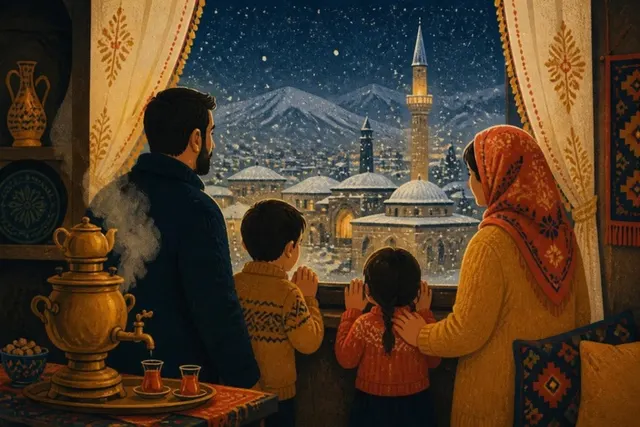
Emre was a young in the Kaçkar Mountains, in northeastern Turkey. He had grown up in a small village in the mountains, and he knew them better than anyone. He loved the high peaks, the clean air, and the ancient that had covered the mountains for thousands of years. Every summer, he led groups of hikers up to the highest parts of the mountains.
Emre, Türkiye'nin kuzeydoğusundaki Kaçkar Dağları'nda genç bir dağ rehberiydi. Dağlardaki küçük bir köyde büyümüştü ve dağları herkesten daha iyi tanıyordu. Yüksek zirveleri, temiz havayı ve binlerce yıldır dağları örten kadim buzulları seviyordu. Her yaz dağların en yüksek kısımlarına yürüyüşçü grupları çıkarıyordu.
Over the years, Emre had noticed something worrying. The glaciers were getting smaller. Every summer, the ice a little more than the year before. Places that had been covered with thick ice when he was a child were now rock. The old people in his village had never seen the glaciers so small. The climate was changing, and the ancient ice was slowly disappearing.
Yıllar içinde Emre endişe verici bir şey fark etmişti. Buzullar küçülüyordu. Her yaz buz bir önceki yıldan biraz daha fazla eriyordu. Çocukken kalın buzla kaplı olan yerler artık çıplak kayaydı. Köyündeki yaşlılar buzulları hiç bu kadar küçük görmemişti. İklim değişiyordu ve kadim buz yavaş yavaş kayboluyordu.
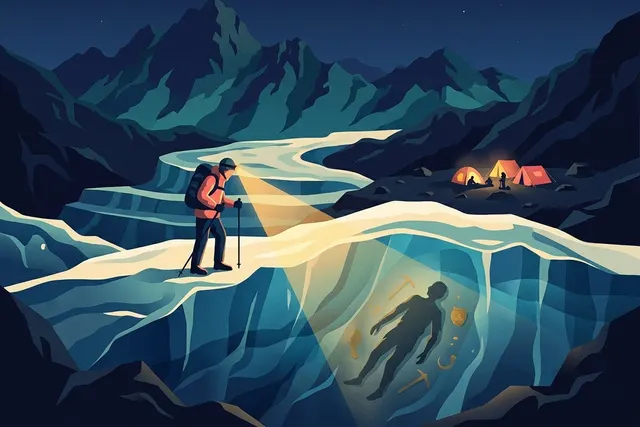
One summer day, while climbing alone near a melting glacier, Emre saw something strange in the ice. At first, he thought it was a rock, or perhaps an animal. But as he came closer, his heart began to beat fast. It was a human body. It had been frozen inside the ice, and now, as the glacier melted, it was slowly appearing. The body looked very old — not like someone who had died recently.
Bir yaz günü, eriyen bir buzulun yakınında tek başına tırmanırken Emre buzun içinde tuhaf bir şey gördü. İlk başta bir kaya ya da belki bir hayvan olduğunu düşündü. Ama yaklaşınca kalbi hızlı atmaya başladı. Bir insan cesediydi. Buzun içinde donmuştu ve şimdi, buzul eridikçe yavaş yavaş ortaya çıkıyordu. Ceset çok eski görünüyordu — yakın zamanda ölmüş biri gibi değil.
Emre was shocked, but he knew what to do. He did not touch the body. Instead, he carefully marked the location and took photographs. Then he climbed down the mountain as fast as he could and called the . Soon, the news spread. Scientists and from universities across the country came to the mountain. They were very excited. A frozen body from the ice could be an incredible .
Emre şok oldu ama ne yapacağını biliyordu. Cesede dokunmadı. Bunun yerine, yeri dikkatlice işaretledi ve fotoğraflar çekti. Sonra dağdan olabildiğince hızlı indi ve yetkilileri aradı. Kısa süre sonra haber yayıldı. Ülkenin dört bir yanındaki üniversitelerden bilim insanları ve arkeologlar dağa geldi. Çok heyecanlıydılar. Buzdan çıkan donmuş bir ceset inanılmaz bir keşif olabilirdi.
The scientists worked carefully for many weeks. They removed the body from the ice very slowly, so that nothing would be damaged. What they discovered amazed everyone. The body was thousands of years old. The man had lived in a time before history was written. Because he had been frozen in the ice, his body, his clothes, and his tools had been almost perfectly. It was like a window into the distant past.
Bilim insanları haftalarca dikkatlice çalıştı. Cesedi buzdan çok yavaş çıkardılar, böylece hiçbir şey zarar görmeyecekti. Keşfettikleri şey herkesi hayrete düşürdü. Ceset binlerce yıllıktı. Adam, tarihin yazılmasından önceki bir zamanda yaşamıştı. Buzun içinde donmuş olduğu için, vücudu, giysileri ve aletleri neredeyse kusursuzca korunmuştu. Uzak geçmişe açılan bir pencere gibiydi.
The scientists studied everything about the ice man. His clothes had been made from animal skins, sewn together with great skill. He had carried tools made of stone and bone. He had a bow and arrows, and a knife. From these objects, the scientists began to understand who he had been and how he had lived. Slowly, the story of a man who had died thousands of years ago came back to life.
Bilim insanları buz adamı hakkındaki her şeyi inceledi. Giysileri hayvan derilerinden, büyük bir ustalıkla dikilerek yapılmıştı. Taştan ve kemikten yapılmış aletler taşıyordu. Bir yayı ve okları ve bir bıçağı vardı. Bu nesnelerden bilim insanları onun kim olduğunu ve nasıl yaşadığını anlamaya başladı. Yavaş yavaş, binlerce yıl önce ölmüş bir adamın hikayesi hayata döndü.
But the most interesting discovery was yet to come. When the scientists examined the man more closely, they found that he had been before he died. And around his body, they found objects that were unusual and valuable for that time — things that an ordinary person would not have carried. The scientists came to a surprising conclusion: this man had not been an ordinary hunter. He had been someone important — perhaps a leader, or a hero of his people.
Ama en ilginç keşif henüz gelmemişti. Bilim insanları adamı daha yakından incelediğinde, ölmeden önce yaralanmış olduğunu buldular. Ve vücudunun etrafında, o zaman için olağandışı ve değerli nesneler buldular — sıradan bir insanın taşımayacağı şeyler. Bilim insanları şaşırtıcı bir sonuca vardı: bu adam sıradan bir avcı değildi. Önemli biriydi — belki bir lider ya da halkının bir kahramanı.
The scientists believed that the ice man had been traveling across the high mountains, perhaps on an important journey, when something had gone wrong. He had been injured, and alone in the cold, high mountains, he had not survived. He had died there, and snow and ice had slowly covered his body. For thousands of years, he had rested, frozen and hidden, until the melting glacier finally him to Emre.
Bilim insanları, buz adamının yüksek dağları aşarak, belki önemli bir yolculukta seyahat ederken bir şeylerin ters gittiğine inanıyordu. Yaralanmıştı ve soğuk, yüksek dağlarda yalnız başına hayatta kalamamıştı. Orada ölmüştü ve kar ile buz yavaş yavaş vücudunu örtmüştü. Binlerce yıl boyunca, eriyen buzul sonunda onu Emre'ye gösterene kadar donmuş ve saklı dinlenmişti.
The discovery became famous all over the world. The ice man was placed in a special museum, where scientists could continue to study him and where people could learn about the distant past. Emre, the young guide who had found him, became a part of the story. He was proud, but he also felt something strange — a deep connection to this man who had walked the same mountains thousands of years before him.
Keşif bütün dünyada ünlü oldu. Buz adamı özel bir müzeye konuldu, orada bilim insanları onu incelemeye devam edebilir ve insanlar uzak geçmiş hakkında bir şeyler öğrenebilirdi. Onu bulan genç rehber Emre, hikayenin bir parçası oldu. Gururluydu ama aynı zamanda tuhaf bir şey de hissetti — kendisinden binlerce yıl önce aynı dağlarda yürümüş bu adama derin bir bağ.
But Emre could not stop thinking about one thing. The ice man had been discovered only because the glacier was melting. The same climate change that was destroying his beloved mountains had also revealed this ancient . "It is a strange gift," Emre often says. "The warming earth gave us a window into the past. But it is also taking away our glaciers, our mountains, and our future. The ice man waited thousands of years. I hope his mountains will not disappear in only a few more."
Ama Emre bir şeyi düşünmeyi bırakamıyordu. Buz adamı sadece buzul eridiği için keşfedilmişti. Sevgili dağlarını yok eden aynı iklim değişikliği, bu kadim hazineyi de ortaya çıkarmıştı. "Tuhaf bir hediye," diyor Emre sık sık. "Isınan dünya bize geçmişe açılan bir pencere verdi. Ama aynı zamanda buzullarımızı, dağlarımızı ve geleceğimizi de elimizden alıyor. Buz adamı binlerce yıl bekledi. Umarım dağları sadece birkaç yıl içinde yok olmaz."

Kelimeler
Hikayedeki 11 yeni kelime, hikayeden örnek cümleleriyle.
Emre was a young mountain guide.
...the ancient glaciers.
...near a melting glacier.
...were now bare rock.
...called the authorities.
...scientists and archaeologists.
...had been preserved almost perfectly.
...he had been injured before he died.
...the melting glacier finally revealed him.
...an incredible discovery.
...this ancient treasure.
Gramer notu
Past perfect ve passive voice
Bu hikayede past perfect ve passive voice öne çıkıyor.
- Past perfect (geçmişten önceki geçmiş): He had grown up in a village. / Places that had been covered with ice. / The man had lived before history was written.
- Passive voice: His clothes had been made from animal skins. / his body had been preserved almost perfectly. / The ice man was placed in a special museum.
- Dikkat: "had been + 3. hal" hem pasif hem geçmiş-öncesi anlamı birlikte verir — bu hikayede sıkça geçer.
Ne kadar anladın?
6 kısa soru. Cevabını seç, hemen doğrusunu gör.