

The Hazelnut Summer
Fındık Yazı
Üniversite öğrencisi Onur, borcunu ödemek için amcasının Ordu'daki fındık bahçesinde üç haftalık hasada katılır. Dik yamaçlarda, mevsimlik işçilerle ve genç Ramazan'la geçen günler ona emeğin ve eşitsizliğin gerçek yüzünü gösterir. Eve dönerken yanında hem minnet hem utanç taşır.
Altı noktalı kelimelere dokun, anlamı çıksın.
Every August, Onur's cousins used to tell stories about the hazelnut in Ordu, and he had always found them exaggerated. At nineteen, with a student loan he could barely manage, he finally accepted his uncle's offer: three weeks of work in the family , with food, a bed, and a daily that sounded generous.
Her ağustos Onur'un kuzenleri Ordu'daki fındık hasadı hakkında hikâyeler anlatırdı ve o bunları hep abartılı bulmuştu. On dokuz yaşında, zar zor idare ettiği bir öğrenci borcuyla, sonunda amcasının teklifini kabul etti: aile bahçesinde yemek, yatak ve cömert görünen bir günlük ücretle üç haftalık iş.
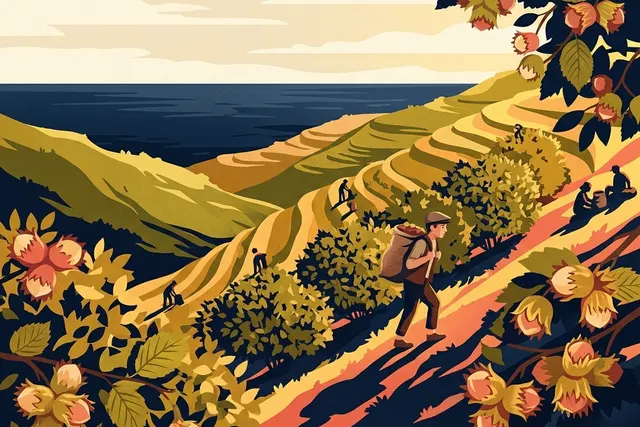
Nothing had prepared him for the . The orchards of the Black Sea region climb up the mountains at angles that make walking difficult, let alone working. On the first morning, Onur slipped three times before breakfast. The other workers, mostly from the southeast, watched him with amused patience, and one of them handed him a stick without a word.
Hiçbir şey onu yamaçlara hazırlamamıştı. Karadeniz bölgesinin bahçeleri, çalışmayı bırakın yürümeyi bile zorlaştıran açılarla dağlara tırmanır. İlk sabah Onur kahvaltıdan önce üç kez kaydı. Çoğu güneydoğudan gelen mevsimlik işçilerden oluşan diğer çalışanlar onu eğlenceli bir sabırla izledi ve içlerinden biri tek kelime etmeden eline bir sopa verdi.
At home in Ankara, he used to sleep until noon during the holidays. Here the day began at five, when the air still smelled of tea and smoke. By the second day his hands were covered in , and his back hurt in places he did not know existed. He wasn't used to this kind of tiredness, and for a moment he considered taking the first bus back.
Ankara'daki evinde tatillerde öğleye kadar uyurdu. Burada gün, nemli havanın hâlâ çay ve duman koktuğu saat beşte başlıyordu. İkinci güne gelindiğinde elleri su toplamış kabarcıklarla kaplıydı ve sırtı var olduğunu bilmediği yerlerden ağrıyordu. Bu tür bir yorgunluğa alışık değildi ve bir an için ilk otobüsle geri dönmeyi düşündü.
What kept him there was a sixteen-year-old called Ramazan. The boy had been coming to the orchard every summer since he was twelve, and he worked with a speed that made Onur feel . He taught him how to hold the sack, how to read the weather from the clouds, and how to rest without stopping. "Don't fight the hill," he would say. "Walk with it."
Onu orada tutan, Ramazan adında on altı yaşında bir çocuktu. Çocuk on iki yaşından beri her yaz bahçeye geliyordu ve Onur'u utandıracak bir hızla çalışıyordu. Ona çuvalı nasıl tutacağını, havayı bulutlardan nasıl okuyacağını ve durmadan nasıl dinleneceğini öğretti. "Yamaçla savaşma," derdi. "Onunla birlikte yürü."
In the evenings, they would sit on the steps of the wooden house, eating beans and bread, while the workers talked about home. Ramazan explained that he worked in order to pay for his school books and his younger sister's winter clothes. He said it without , as if it were the most normal thing in the world. Onur, who used to complain about his student loan, felt his own complaints grow small.
Akşamları ahşap evin basamaklarına oturur, işçiler memleketlerinden konuşurken fasulye ve ekmek yerlerdi. Ramazan, okul kitapları ve küçük kız kardeşinin kışlık kıyafetleri için para kazanmak amacıyla çalıştığını anlattı. Bunu kendine acımadan, dünyanın en normal şeyiymiş gibi söyledi. Öğrenci borcundan şikâyet etmeye alışkın olan Onur, kendi şikâyetlerinin küçüldüğünü hissetti.
By the third week, Onur had got used to the rhythm of the work. His hands had hardened, his back no longer hurt, and he could climb the steepest slopes without slipping. He had even stopped checking his phone every five minutes, since there was almost no signal anyway. For the first time in years, he fell asleep each night without thinking about exams or money.
Üçüncü haftaya gelindiğinde Onur işin ritmine alışmıştı. Elleri sertleşmişti, sırtı artık ağrımıyordu ve en dik yamaçlara kaymadan tırmanabiliyordu. Zaten neredeyse hiç sinyal olmadığı için telefonuna beş dakikada bir bakmayı bile bırakmıştı. Yıllardır ilk kez, her gece sınavları ya da parayı düşünmeden uykuya daldı.
On the last evening, his uncle gathered the workers under a lamp, looking embarrassed. The price of hazelnuts had dropped that week, he explained, and he could not pay everyone the full amount. He promised to send the rest in October. The workers nodded quietly, because they had heard such promises before. Ramazan looked at his shoes and said nothing.
Son akşam amcası, utanmış görünerek işçileri bir lambanın altında topladı. Fındık fiyatlarının o hafta düştüğünü, herkese tam ücreti ödeyemeyeceğini açıkladı. Kalanı ekimde göndereceğine söz verdi. İşçiler sessizce başlarını salladı, çünkü bu tür sözleri daha önce duymuşlardı. Ramazan ayakkabılarına baktı ve bir şey söylemedi.
Later, Onur counted his money twice. He could have given half of it to Ramazan, and the thought crossed his mind clearly, but he thought of his rent, his books, and his loan. In the end, he handed the boy a small envelope with a few notes and said it was for the school books. Ramazan thanked him politely, and Onur felt, strangely, that he was the one being given something.
Sonra Onur parasını iki kez saydı. Yarısını Ramazan'a verebilirdi ve bu düşünce aklından açıkça geçmişti ama kirasını, kitaplarını ve borcunu düşündü. Sonunda çocuğa içinde birkaç banknot olan küçük bir zarf uzattı ve bunun okul kitapları için olduğunu söyledi. Ramazan ona nezaketle teşekkür etti ve Onur, garip bir şekilde, kendisine bir şey verilenin kendisi olduğunu hissetti.
Years later, Onur still eats hazelnuts every winter, and he still remembers the smell of wet leaves and the sound of Ramazan's voice. He had gone to Ordu believing that he would earn easy money. Instead, he came home with a lighter wallet than he had hoped, a stronger back, and a feeling he could not name, somewhere between and shame.
Yıllar sonra Onur hâlâ her kış fındık yiyor ve ıslak yaprakların kokusunu ve Ramazan'ın sesini hâlâ hatırlıyor. Ordu'ya kolay para kazanacağına inanarak gitmişti. Bunun yerine umduğundan daha hafif bir cüzdan, daha güçlü bir sırt ve adını koyamadığı, minnet ile utanç arasında bir duyguyla eve döndü.

Kelimeler
Hikayedeki 11 yeni kelime, hikayeden örnek cümleleriyle.
...stories about the hazelnut harvest in Ordu...
...three weeks of work in the family orchard...
Nothing had prepared him for the slopes.
...mostly seasonal labourers from the southeast...
...mostly seasonal labourers from the southeast...
...his hands were covered in blisters...
...when the damp air still smelled of tea and smoke.
...a daily wage that sounded generous.
...a speed that made Onur feel ashamed.
He said it without self-pity...
...somewhere between gratitude and shame.
Gramer notu
Used to, would ve be/get used to
Bu hikayede used to, would ve be/get used to öne çıkıyor.
- Used to, geçmişteki alışkanlıkları ve artık geçerli olmayan durumları anlatır: Every August, Onur's cousins used to tell stories about the hazelnut harvest. / At home in Ankara, he used to sleep until noon during the holidays.
- Would, yalnızca tekrar eden geçmiş alışkanlıklar için kullanılır (durumlar için kullanılmaz): "Don't fight the hill," he would say. / In the evenings, they would sit on the steps of the wooden house.
- Be used to / get used to + isim ya da -ing, alışkın olmak ve alışmak anlamına gelir: He wasn't used to this kind of tiredness. / Onur had got used to the rhythm of the work.
Ne kadar anladın?
6 kısa soru. Cevabını seç, hemen doğrusunu gör.