

The Last Day of the Tea House
Çay Ocağının Son Günü
Kırk yıldır İstanbul'da bir esnaf çarşısının ortasında çay ocağı işleten Rıfat Usta, mahalle kentsel dönüşüme uğrayınca dükkânı kapatmak zorunda kalır. Son gününde, yıllardır onun çayını içen esnaf, emekli, öğrenci ve komşular gelip bir bir vedalaşır. Küçük bir çay ocağının aslında bir mahallenin kalbi olduğu, ancak kaybedilince anlaşılır.
Altı noktalı kelimelere dokun, anlamı çıksın.
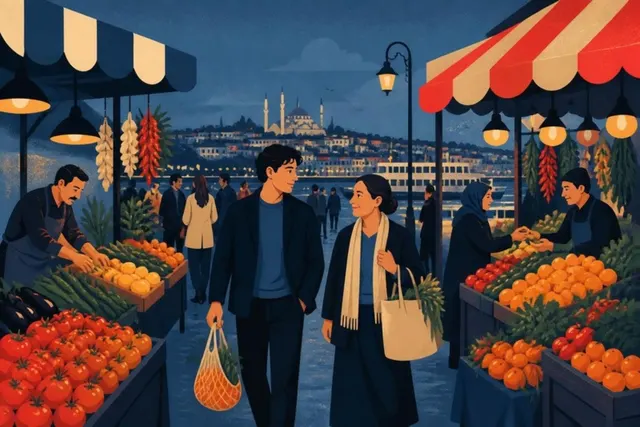
For forty years, Rıfat Usta had run a small tea house in the middle of a busy in İstanbul. It was not much to look at — just a tiny room with a large , a few low stools, and walls stained brown by decades of steam and smoke. But to the people who worked in the market, it was something far more important than a shop. It was the beating heart of the neighbourhood.
Kırk yıl boyunca Rıfat Usta İstanbul'da hareketli bir esnaf çarşısının ortasında küçük bir çay ocağı işletmişti. Görünüşte pek bir şey değildi — büyük bir semaverli küçük bir oda, birkaç alçak tabure ve on yılların buharı ve dumanıyla kahverengiye boyanmış duvarlar. Ama çarşıda çalışan insanlar için bir dükkândan çok daha önemli bir şeydi. Mahallenin atan kalbiydi.
Every morning, before the shops opened, Rıfat Usta lit his stove and prepared the first pot of tea. All day long, boys with round metal trays carried glasses of his strong, dark tea to the tailors, the shoemakers, the locksmiths, and the carpet sellers. The tea was always accompanied by conversation. Business deals had been made over his tea; arguments had been settled; marriages had even been arranged.
Her sabah, dükkânlar açılmadan önce, Rıfat Usta ocağını yakar ve ilk demliği hazırlardı. Bütün gün boyunca yuvarlak metal tepsili çocuklar onun demli, koyu çayını terzilere, ayakkabıcılara, çilingirlere ve halı satıcılarına taşırdı. Çaya her zaman sohbet eşlik ederdi. Onun çayı üzerine iş anlaşmaları yapılmış, tartışmalar çözülmüş, hatta evlilikler bile kararlaştırılmıştı.
But the neighbourhood had been changing for years. One by one, the old workshops had been closed, and the craftsmen had grown old or moved away. Recently, the whole market had been sold to a construction company. The narrow streets, with all their history, were going to be and replaced by a shopping centre and luxury flats. Rıfat Usta had been told that his tea house, too, would have to close.
Ama mahalle yıllardır değişiyordu. Teker teker eski atölyeler kapanmış, ustalar yaşlanmış ya da başka yere gitmişti. Son zamanlarda bütün çarşı bir inşaat şirketine satılmıştı. Tüm tarihiyle dar sokaklar yıkılacak ve yerine bir alışveriş merkezi ve lüks daireler yapılacaktı. Rıfat Usta'ya çay ocağının da kapatılması gerekeceği söylenmişti.
The last day arrived on a grey morning in late autumn. Rıfat Usta opened his shop as he always had, but his hands were slower than usual, and his heart was heavy. He had been working in this same room since he was a young man of twenty-five. He had been serving tea here for longer than most of his customers had been alive. Now, after four decades, it was all coming to an end.
Son gün, sonbaharın sonlarında gri bir sabah geldi. Rıfat Usta dükkânını her zamanki gibi açtı ama elleri normalden yavaştı ve kalbi ağırdı. Yirmi beş yaşında genç bir adamken bu aynı odada çalışıyordu. Burada, müşterilerinin çoğunun hayatta olduğundan daha uzun süredir çay servis ediyordu. Şimdi, kırk yıl sonra, her şey sona eriyordu.
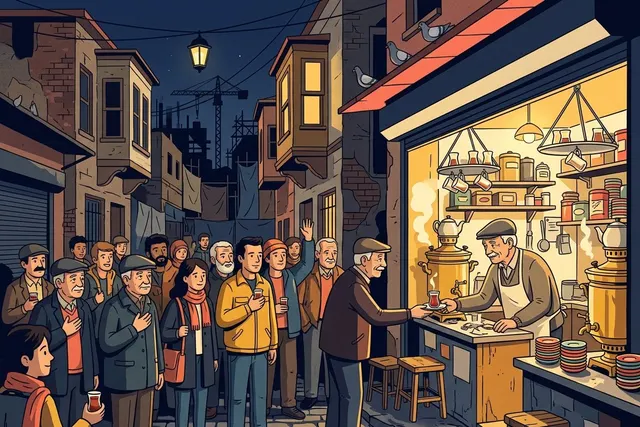
Word had spread that it was the tea house's final day, and something remarkable happened. Throughout the day, people kept arriving — not just the current tradesmen, but faces from the past. Old craftsmen who had retired years ago came back. Men who had been boys in the market, and were now grey-haired themselves, returned to drink one last glass. Each of them had a story to tell.
Çay ocağının son günü olduğu haberi yayılmıştı ve olağanüstü bir şey oldu. Gün boyunca insanlar gelmeye devam etti — sadece şu anki esnaf değil, geçmişten yüzler de. Yıllar önce emekli olmuş yaşlı ustalar geri geldi. Çarşıda çırak çocuk olan ve artık kendileri de ak saçlı olan adamlar son bir bardak içmek için döndü. Her birinin anlatacak bir hikayesi vardı.
A retired tailor, now in his eighties, held his glass with trembling hands. "I drank my first tea here on the day I opened my shop," he told the others. "Rıfat Usta was just a young man then. He gave me that first glass for free and told me that if I ever needed anything, his door would always be open. In forty years, that door was never once closed to me." Several of the men had tears in their eyes.
Artık seksenlerinde olan emekli bir terzi, bardağını titreyen ellerle tuttu. "İlk çayımı burada, dükkânımı açtığım gün içtim," dedi diğerlerine. "Rıfat Usta o zaman genç bir adamdı. Bana o ilk bardağı bedava verdi ve bir şeye ihtiyacım olursa kapısının her zaman açık olacağını söyledi. Kırk yılda o kapı bana bir kez bile kapanmadı." Adamlardan birkaçının gözlerinde yaşlar vardı.
As the afternoon passed, the small room became more crowded than it had been in years. People stood shoulder to shoulder, sharing memories and laughter and . Someone brought sweets; someone else began to sing an old song, and soon everyone joined in. For a few hours, it felt almost like a celebration — until each person remembered, with a quiet , that they were really there to say goodbye.
Öğleden sonra ilerledikçe, küçük oda yıllardır olduğundan daha kalabalık hâle geldi. İnsanlar omuz omuza durdu, anıları, kahkahaları ve hüznü paylaştı. Biri tatlı getirdi; bir başkası eski bir şarkı söylemeye başladı ve çok geçmeden herkes katıldı. Birkaç saat boyunca neredeyse bir kutlama gibi hissettirdi — ta ki herkes sessiz bir sızıyla aslında veda etmek için orada olduklarını hatırlayana kadar.
In the evening, when the crowd had finally thinned, Rıfat Usta sat alone on his favourite stool. He looked around the room that had been his whole life. He thought about everything that had happened within these four walls — the friendships, the celebrations, the difficult years, the ordinary days that, added together, had made up a life. If he could have kept the shop open, he would have done so until his last breath.
Akşam, kalabalık sonunda azaldığında, Rıfat Usta en sevdiği taburede tek başına oturdu. Bütün hayatı olan odaya baktı. Bu dört duvarın içinde olan her şeyi düşündü — dostlukları, kutlamaları, zor yılları, bir araya geldiğinde bir hayatı oluşturan sıradan günleri. Dükkânı açık tutabilseydi, son nefesine kadar öyle yapardı.
Before he locked the door for the last time, Rıfat Usta made one final pot of tea, though there was no one left to serve. He poured a single glass, sat down, and drank it slowly, the familiar taste. "A tea house is never really about the tea," he said quietly to the empty room. "It is about the people. And the people will remember." Then he turned off the samovar, whose fire had burned almost without pause for forty years.
Kapıyı son kez kilitlemeden önce Rıfat Usta, servis edecek kimse kalmamış olsa da son bir demlik çay yaptı. Tek bir bardak doldurdu, oturdu ve tanıdık tadın keyfini çıkararak yavaşça içti. "Bir çay ocağı aslında hiçbir zaman çayla ilgili değildir," dedi usulca boş odaya. "İnsanlarla ilgilidir. Ve insanlar hatırlayacak." Sonra kırk yıldır neredeyse hiç ara vermeden yanan semaveri kapattı.
The old market was demolished a few months later, and a shopping centre now stands where the tea house used to be. But the men who drank Rıfat Usta's tea have not forgotten. They still meet, in new cafes in other parts of the city, and they still tell stories about the little room with the big samovar. Some places are torn down, but the warmth they created lives on in the people who were lucky enough to sit inside them.
Eski çarşı birkaç ay sonra yıkıldı ve çay ocağının olduğu yerde artık pırıl pırıl bir alışveriş merkezi duruyor. Ama Rıfat Usta'nın çayını içen adamlar unutmadı. Hâlâ buluşuyorlar, şehrin başka yerlerindeki yeni kafelerde ve hâlâ büyük semaverli küçük oda hakkında hikayeler anlatıyorlar. Bazı yerler yıkılır ama yarattıkları sıcaklık, içlerinde oturacak kadar şanslı olan insanlarda yaşamaya devam eder.

Kelimeler
Hikayedeki 11 yeni kelime, hikayeden örnek cümleleriyle.
...a busy tradesmen's market in İstanbul.
...a tiny room with a large samovar.
The tea was always accompanied by conversation.
...the craftsmen had grown old or moved away.
...were going to be demolished.
Men who had been apprentice boys in the market...
...held his glass with trembling hands.
...sharing memories and laughter and sorrow.
...with a quiet ache.
...savouring the familiar taste.
...a gleaming shopping centre.
Gramer notu
Passive voice ve past perfect continuous
Bu hikayede passive voice ve past perfect continuous öne çıkıyor.
- Passive: Business deals had been made. (İş anlaşmaları yapılmıştı.) / the market had been sold to a company. / it would have to close.
- Past perfect continuous, geçmişteki bir noktadan daha öncesine kadar *süregelen* işi anlatır. Yapı: had been + fiil-ing.
- He had been working in this room since he was twenty-five. (Yirmi beşinden beri bu odada çalışıyordu.)
- He had been serving tea here for decades. (Onlarca yıldır burada çay servis ediyordu.)
Ne kadar anladın?
6 kısa soru. Cevabını seç, hemen doğrusunu gör.