

The Last Film
Son Film
Beyoğlu'nda yıllardır tek başına küçük bir sinemayı işleten Orhan, dijital çağda ayakta kalamayan salonu kapatmak zorundadır. Son gösterim gecesinde, yıllardır onun sinemasında film izlemiş insanlar ve beklenmedik bir kalabalık gelir. Orhan, bir sinemanın sadece film göstermekten çok daha fazlası olduğunu, bir mahallenin ortak hafızası olduğunu anlar.
Altı noktalı kelimelere dokun, anlamı çıksın.
Orhan had run the little cinema in Beyoğlu for almost forty years. It was a small, place with red seats, a single screen, and walls covered with posters of films from decades past. For generations of İstanbul residents, this cinema had been a magical escape — a dark, warm room where they had laughed, cried, and fallen in love, far from the noise of the city outside.
Orhan, Beyoğlu'ndaki küçük sinemayı neredeyse kırk yıldır işletiyordu. Kırmızı kadife koltukları, tek bir perdesi ve on yıllar öncesinin film afişleriyle kaplı duvarları olan küçük, eski kafalı bir yerdi. Nesiller boyu İstanbul sakini için bu sinema büyülü bir kaçıştı — dışarıdaki şehrin gürültüsünden uzak, güldükleri, ağladıkları ve âşık oldukları karanlık, sıcak bir oda.
But times had changed, and the little cinema could not . Huge, modern cinema had been built in the shopping malls, with giant screens and comfortable seats. Most people now watched films at home, on their televisions and phones. Fewer and fewer tickets were sold each month. The cinema had been losing money for years, and Orhan had finally run out of options. He had made the painful decision to close it.
Ama zaman değişmişti ve küçük sinema ayak uyduramıyordu. Alışveriş merkezlerinde, dev perdeleri ve rahat koltuklarıyla kocaman, modern sinema kompleksleri inşa edilmişti. İnsanların çoğu artık filmleri evde, televizyonlarında ve telefonlarında izliyordu. Her ay gittikçe daha az bilet satılıyordu. Sinema yıllardır para kaybediyordu ve Orhan sonunda seçeneklerini tüketmişti. Onu kapatmak gibi acı verici bir karar vermişti.
The cinema was Orhan's whole life. He had it from his father, who had opened it as a young man. Orhan had grown up among these seats and this screen. He knew every film he had ever shown, and he remembered the faces of thousands of customers. Closing the cinema felt like losing a member of his own family. But he had no choice. The last was arranged for a Saturday night.
Sinema Orhan'ın bütün hayatıydı. Onu, genç bir adamken açan babasından miras almıştı. Orhan bu koltukların ve bu perdenin arasında büyümüştü. Gösterdiği her filmi biliyor ve binlerce müşterinin yüzlerini hatırlıyordu. Sinemayı kapatmak, kendi ailesinin bir üyesini kaybetmek gibi hissettiriyordu. Ama başka seçeneği yoktu. Son gösterim bir cumartesi gecesine ayarlandı.
For the last film, Orhan chose an old black-and-white classic — the very first film he had ever shown as a young man, all those years ago. He did not expect many people to come. He thought that perhaps a few loyal old customers might appear to say goodbye. He prepared himself for a quiet, sad evening, alone with his memories in the empty theatre.
Son film için Orhan eski bir siyah-beyaz klasik seçti — bunca yıl önce, genç bir adamken gösterdiği ilk film. Çok insan gelmesini beklemiyordu. Belki birkaç sadık, eski müşterinin veda etmek için gelebileceğini düşündü. Kendini sessiz, hüzünlü bir akşama hazırladı; boş salonda anılarıyla baş başa.
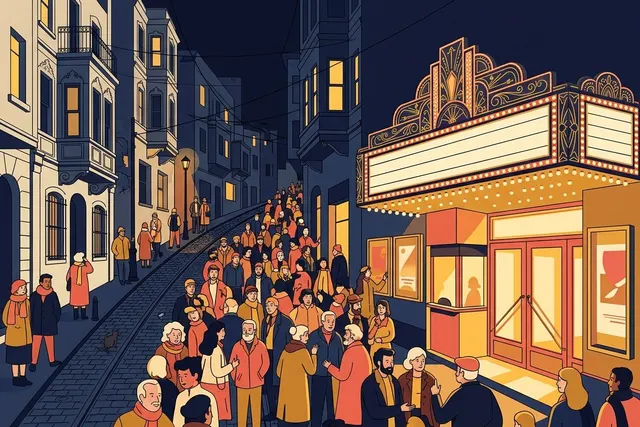
But Orhan was wrong. As the evening approached, people began to arrive — and they kept coming. Soon the little cinema was completely full, and a crowd had gathered in the street outside. Word of the closing had spread across the city, on social media and by word of mouth. People had come from everywhere to say goodbye to the place that had meant so much to them.
Ama Orhan yanılıyordu. Akşam yaklaştıkça insanlar gelmeye başladı — ve gelmeye devam ettiler. Çok geçmeden küçük sinema tamamen doldu ve dışarıda, sokakta bir kalabalık toplandı. Kapanış haberi şehre yayılmıştı; sosyal medyada ve ağızdan ağıza. İnsanlar kendileri için çok şey ifade eden yere veda etmek için her yerden gelmişti.
Orhan was . He recognised many faces in the crowd. There was the couple who had come on their first date thirty years ago and were now grandparents. There was the man who, as a lonely child, had watched films here every weekend. There was a famous director who had fallen in love with cinema in this very room as a boy. One by one, they came to Orhan and told him what his cinema had meant to them.
Orhan duygulandı. Kalabalıkta birçok yüzü tanıdı. Otuz yıl önce ilk buluşmasına gelen ve artık büyükanne büyükbaba olan çift vardı. Yalnız bir çocukken her hafta sonu burada film izleyen adam vardı. Çocukken tam bu odada sinemaya âşık olan ünlü bir yönetmen vardı. Teker teker Orhan'a gelip sinemasının onlar için ne ifade ettiğini anlattılar.
As the old film played on the screen, something beautiful happened. The whole watched together in the dark, and the room was filled with a shared emotion. People laughed at the funny parts and wiped away tears at the sad ones, just as audiences had done in this room for decades. For a few hours, it was as if time had stopped, and the magic of the little cinema lived once more.
Eski film perdede oynarken güzel bir şey oldu. Bütün seyirci karanlıkta birlikte izledi ve oda ortak bir duyguyla doldu. İnsanlar komik kısımlarda güldü ve hüzünlü kısımlarda gözyaşlarını sildi; tıpkı seyircilerin on yıllardır bu odada yaptığı gibi. Birkaç saatliğine zaman durmuş gibi oldu ve küçük sinemanın büyüsü bir kez daha yaşadı.
When the film ended, the audience did not leave. Instead, everyone stood up and began to . The applause went on and on, louder and louder. They were not applauding the film; they were applauding Orhan, and the forty years of joy he had given to the neighbourhood. Orhan stood at the front, tears streaming down his face, unable to speak. He had thought he was closing an old business. Now he understood that he had been the keeper of a shared treasure.
Film bittiğinde seyirci gitmedi. Bunun yerine herkes ayağa kalkıp alkışlamaya başladı. Alkış sürdü de sürdü, gittikçe daha yüksek. Filmi alkışlamıyorlardı; Orhan'ı ve mahalleye verdiği kırk yıllık sevinci alkışlıyorlardı. Orhan önde durdu, yüzünden yaşlar süzülüyordu, konuşamıyordu. Eski bir iş yerini kapattığını sanmıştı. Şimdi ortak bir hazinenin bekçisi olduğunu anlıyordu.
The cinema closed that night, but the story did not end there. The young director who had been inspired in that room started a campaign to save it. Many people joined. Money was raised, and the local government was to help. A year later, the little cinema reopened — not as a business, but as a community cultural centre, run by , showing classic films for everyone.
Sinema o gece kapandı ama hikaye orada bitmedi. O odada ilham almış genç yönetmen onu kurtarmak için bir kampanya başlattı. Birçok insan katıldı. Para toplandı ve yerel yönetim yardım etmeye ikna edildi. Bir yıl sonra küçük sinema yeniden açıldı — bir iş yeri olarak değil, gönüllüler tarafından işletilen, herkese klasik filmler gösteren bir toplum kültür merkezi olarak.
Orhan, now retired, still visits every week. He sits in his favourite red velvet seat and watches the films, surrounded by new generations of film lovers. He had believed that the age of his little cinema was over. Instead, he had learned a deeper truth: the things that truly matter to a community are never really lost, as long as there are people who are willing to fight for them.
Artık emekli olan Orhan hâlâ her hafta uğruyor. En sevdiği kırmızı kadife koltuğuna oturuyor ve yeni nesil sinemaseverlerle çevrili filmleri izliyor. Küçük sinemasının çağının bittiğine inanmıştı. Bunun yerine daha derin bir gerçek öğrenmişti: bir topluluk için gerçekten önemli olan şeyler, onlar için savaşmaya istekli insanlar olduğu sürece asla gerçekten kaybolmaz.

Kelimeler
Hikayedeki 11 yeni kelime, hikayeden örnek cümleleriyle.
...a small, old-fashioned place.
...red velvet seats.
...the little cinema could not keep up.
...huge, modern cinema complexes.
He had inherited it from his father.
The last screening was arranged for a Saturday night.
Orhan was overwhelmed.
The whole audience watched together.
...everyone stood up and began to applaud.
...the local government was persuaded to help.
...run by volunteers.
Gramer notu
Past perfect ve passive voice
Bu hikayede past perfect ve passive voice öne çıkıyor.
- Past perfect (geçmişten önceki geçmiş): He had inherited it from his father. / The cinema had been losing money for years. / Word of the closing had spread.
- Passive voice: modern cinema complexes had been built. / The last screening was arranged. / Money was raised, and the government was persuaded to help.
- Dikkat: "had been built / had been losing" gibi birleşik yapılar B2'de sıktır.
Ne kadar anladın?
6 kısa soru. Cevabını seç, hemen doğrusunu gör.